
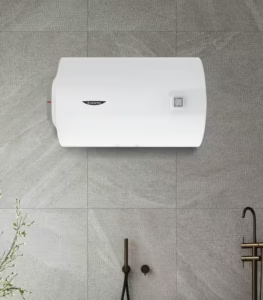
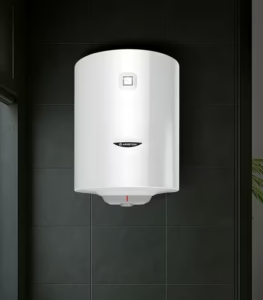
Ariston Water Heater, 50 L, 220 V
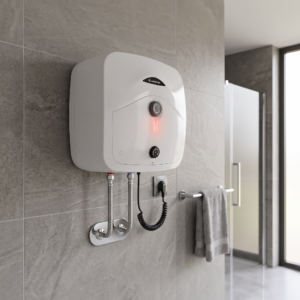
Ariston Water Heater, 30 L, 220 V
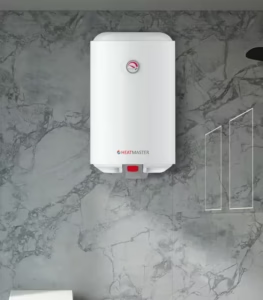
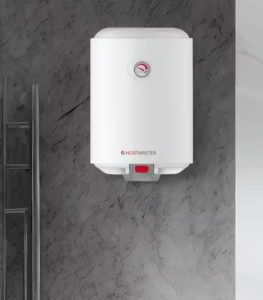

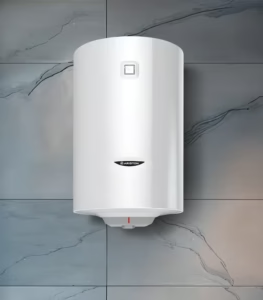
Ariston Water Heater, 100 L, 220 V

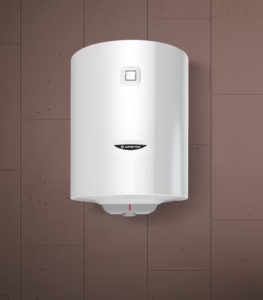
Ariston Water Heater, 80 L, 220 V
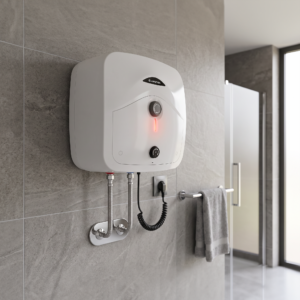
Ariston Water Heater, 15 L, 220 V
How to Choose a Water Heater
A suitable water heater should provide enough hot water without using more space or energy than your property needs. Compare household demand, heater capacity, installation position, electrical supply, recovery time, and warranty before ordering. Professional sizing and installation are especially important for safe operation and consistent performance.
Electric storage water heaters keep a tank of water ready for use and are a practical choice for many bathrooms and kitchens. Instant electric heaters heat water on demand and can suit selected points of use when the electrical connection is adequate. For larger properties or shared demand, explore central water heaters.
Energy use is also affected by thermostat setting, insulation, pipe length, and how frequently hot water is drawn. Keep the unit accessible for inspection and periodic maintenance. In areas with hard water, the tank or heating element may require more frequent servicing to control scale and maintain heating efficiency.
What size water heater do you need?
Capacity depends on the number of users, showers, taps, and periods of simultaneous use. A small household with staggered use may need less storage than a family using several bathrooms at the same time. If you are replacing an existing unit, also compare its mounting direction, pipe positions, voltage, and available service space.
Frequently asked questions
Can I install a horizontal heater vertically?
No, unless the manufacturer specifically approves both positions. Use the stated orientation to protect performance and safety.
Who should install the heater?
A qualified technician should handle the electrical, water, safety-valve, and mounting connections according to local requirements and the manufacturer’s instructions.
